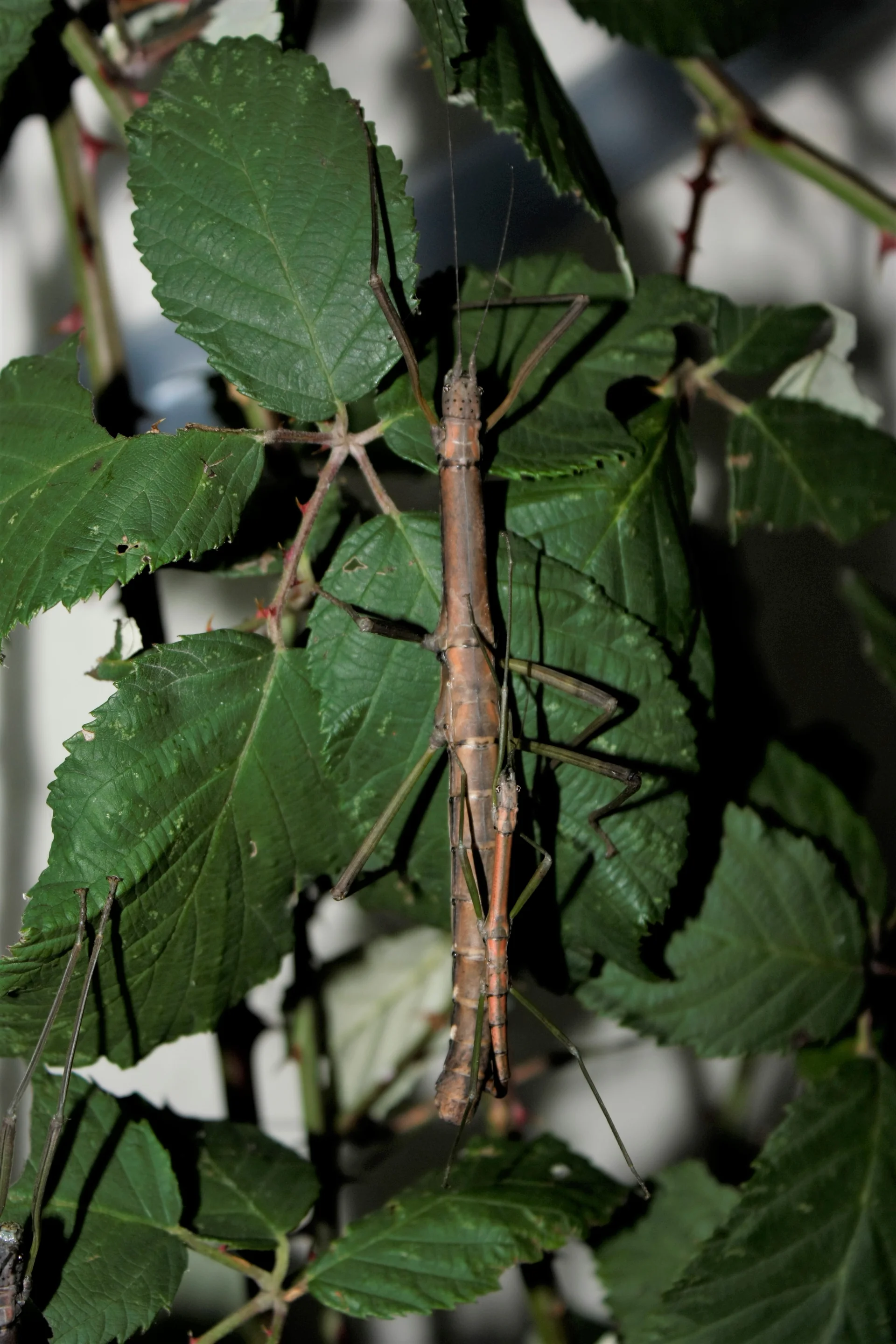
Typeterrarium
SubstratTerreau stérilisé, feuilles mortes, branches, mousses, végétaux vivants (fougères, Eucalyptus, Rubus, Hedera helix, Hypericum# Overview of Module 1 and 2 Topics on Calculus, Statistics, and Probability at UC Berkeley, Fall 2022, Taught by Professor Satish Rao, Study notes of Probability and Statistics for Computer Science (CS 70) from UC Berkeley, Fall 2022, covering calculus, statistics, probability, and their applications to computer science. The course is taught by Professor Satish Rao. Topics include counting, continuous and discrete probability, continuous and discrete random variables, and statistics. The document also highlights the importance of proofs and induction in computer science, as well as useful books and resources for further study. The material is organized into modules, with Module 1 focusing on calculus, counting, and probability, and Module 2 on statistics, probability, and continuous random variables. The document also includes a brief section on proofs and induction, and a list of suggested books for further study. Additional resources include recorded lectures and notes from previous years, such as STAT 134 and 140, as well as EECS 126, CS 174, CS 70, CS 170, and CS 188 for related topics in algorithms, logic, graph theory, and probability. The document also provides a link to the Spring 2022 lectures and notes for further reference. This document could be useful as study notes, lecture notes, or as a reference for understanding the curriculum structure and key concepts covered in Modules 1 and 2 of the course, including calculus, counting, statistics, probability, and probability trees. The document also mentions the importance of understanding the difference between continuous and discrete probability, as well as the use of proofs and induction in algorithm design. The course emphasizes probabilistic reasoning and counting as foundational areas in computer science, which are essential for topics such as machine learning, cryptography, and algorithms. The document serves as a comprehensive overview of the course content and its relevance to computer science, providing students with a clear roadmap for their studies and additional resources for further learning. To get the most out of this document, students should have a basic understanding of mathematical concepts and be familiar with the notation and terminology used in calculus, probability, and statistics. The document also suggests that students review material on induction and proofs, as these are critical for understanding the mathematical foundations of computer science. Overall, this document is a valuable resource for students enrolled in the course, or for anyone interested in the intersection of mathematics and computer science, particularly in the areas of calculus, statistics, probability, and their applications to computing. rink: